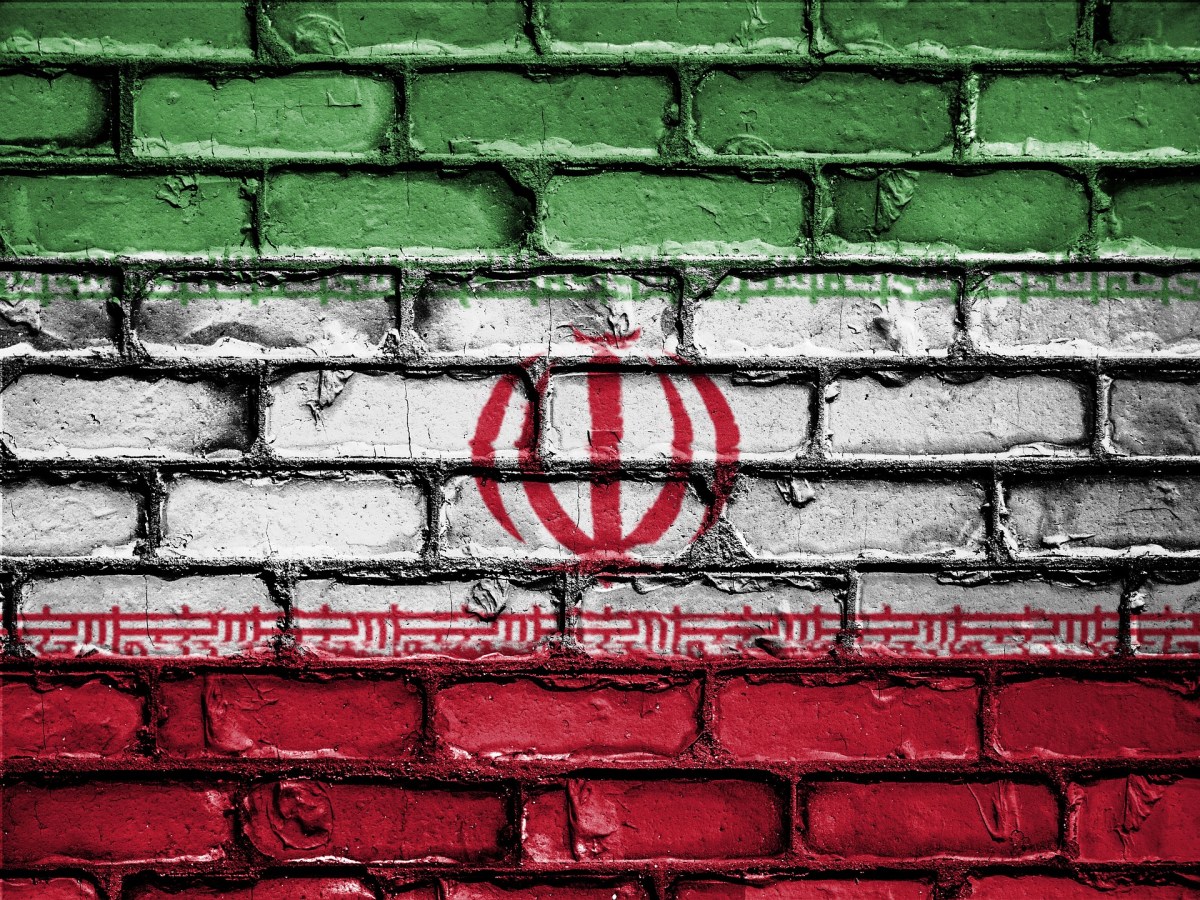
The Islamic Republic of Iran, a fair-sized country located between the Caspian Sea and the Persian Gulf is basically a central desert ringed by mountains. Its population is 81 million based on 2017 estimates; around half are Persian, a fifth Azeri, and the rest belong to various minorities. Shiite Islam is the official religion, and (at least on paper) that of 89% of the populace. Another 5-8% is Sunni Muslims, mostly from minorities. Christianity, Judaism, and Zoroastrianism are officially recognized minorities but closely monitored. Apostasy is not permitted.
The current wave of protests in Iran began on December 28th in the eastern city of Mashhad, and spread to Tehran, Isfahan, Shiraz, and other cities in the largest public expression of discontent in the land since the 2009 election protests. At least fifty persons have been arrested in Mashhad alone, says one source (http://www.aljazeera.com/news/2017/12/protests-iran-171231083620343.html ). In another city, “protesters shouted slogans against Iranian leader Ayatollah Khamenei” and elsewhere they decried Iranian involvement in regional conflicts such as Syria and Yemen (http://www.newsweek.com/iran-anti-regime-protests-erupt-across-country-protesters-chant-death-dictator-764912).
Twitter accounts report that protesters have set fire to police and security offices. Another source says that officials were blocking access to social media “to maintain peace” and make it difficult for anti-government protesters to connect with one another (http://www.independent.co.uk/news/world/middle-east/iran-protests-rally-latest-social-media-blocked-instagram-telegram-mobile-updates-a8135626.html). Although the protests were, at least initially, about economic issues like rising food prices amid deep poverty, it quickly deepened to denounce corruption among the elite and “We don’t want an Islamic Republic!” Some have decried government concern about issues like Lebanon and Gaza while overlooking domestic issues (https://www.timesofisrael.com/iranians-target-tehrans-support-for-palestinians-amid-massive-protests/).
Authorities were forced to cancel schools and trains due to the uproar (http://www.jpost.com/Middle-East/Iranians-protest-escalates-government-cancels-schools-and-trains-521411 ). So far, reports suggest that a least two protesters were killed in Khuzestan province on December 31st and two more in Doud (http://www.alef.ir/news/3961011140.html , Persian). The IRGC has stated that the organization will closely observe “future acts of sedition” and “in supporting the Guardianship of the Islamic Jurist, will allow no harm to be inflicted upon the country”. At least one ex-minister in the regime has blamed the US and Saudi regimes for seeking to “misuse” tensions in the country for their own ends (http://www.tehrantimes.com/news/419873/Ex-diplomat-U-S-Saudis-seeking-to-misuse-civil-protests-in ).
Meanwhile what does all this have to do with the Church?
 Grace For The Nations